
API testing for your product
An API is a “bridge” between different modules of your application, external services, and systems. It is essentially the heart of the service. It allows components to interact, exchange data, and perform actions through each other
What does API testing give to your product?
API is an “invisible” part of the product that determines how the functionality works, whether modules exchange data, and whether external services are connected. An error in the API can lead to a failure of the site, mobile application, or the entire system
Identifies errors before release
Testing business logic, behavior, and request processing at the development stage helps avoid bugs that can break some of the functionality in production
Guarantees accurate data transfer
Checking how data is transferred between systems — without loss, distortion, or duplication- is necessary for the stable operation of all business processes.
Reduces the cost of corrections
Errors found during API testing are fixed faster and cheaper. The sooner a problem is found, the less its consequences.
Improves interaction between services
API connects your application's and external systems' components so that interaction occurs correctly and without conflicts
Prepares the product for increased load
Testing the API under high load conditions will help us understand its limits and avoid failures when users grow or new features are launched
Ensures API security
We check authorization, tokens, access rights, and protection against XSS and SQL injections. You will be sure that no one will access data and functions without permission
What types of APIs do we test?
We test all popular types of APIs, ensuring correct data exchange and stable service operation. Depending on the project architecture, we select appropriate testing methods.
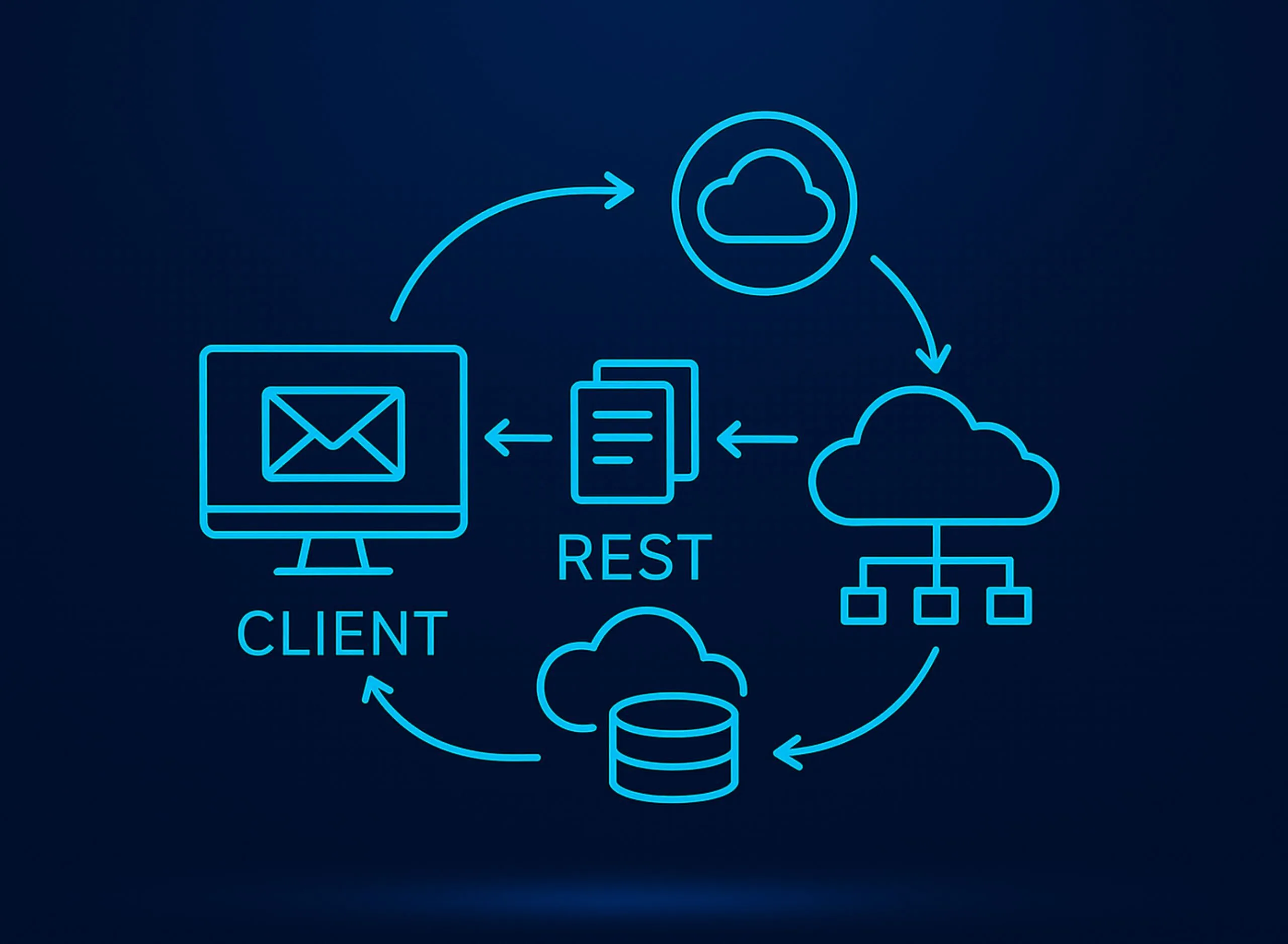
REST API
We check requests, parameters, headers, responses, status codes, and data format (JSON)
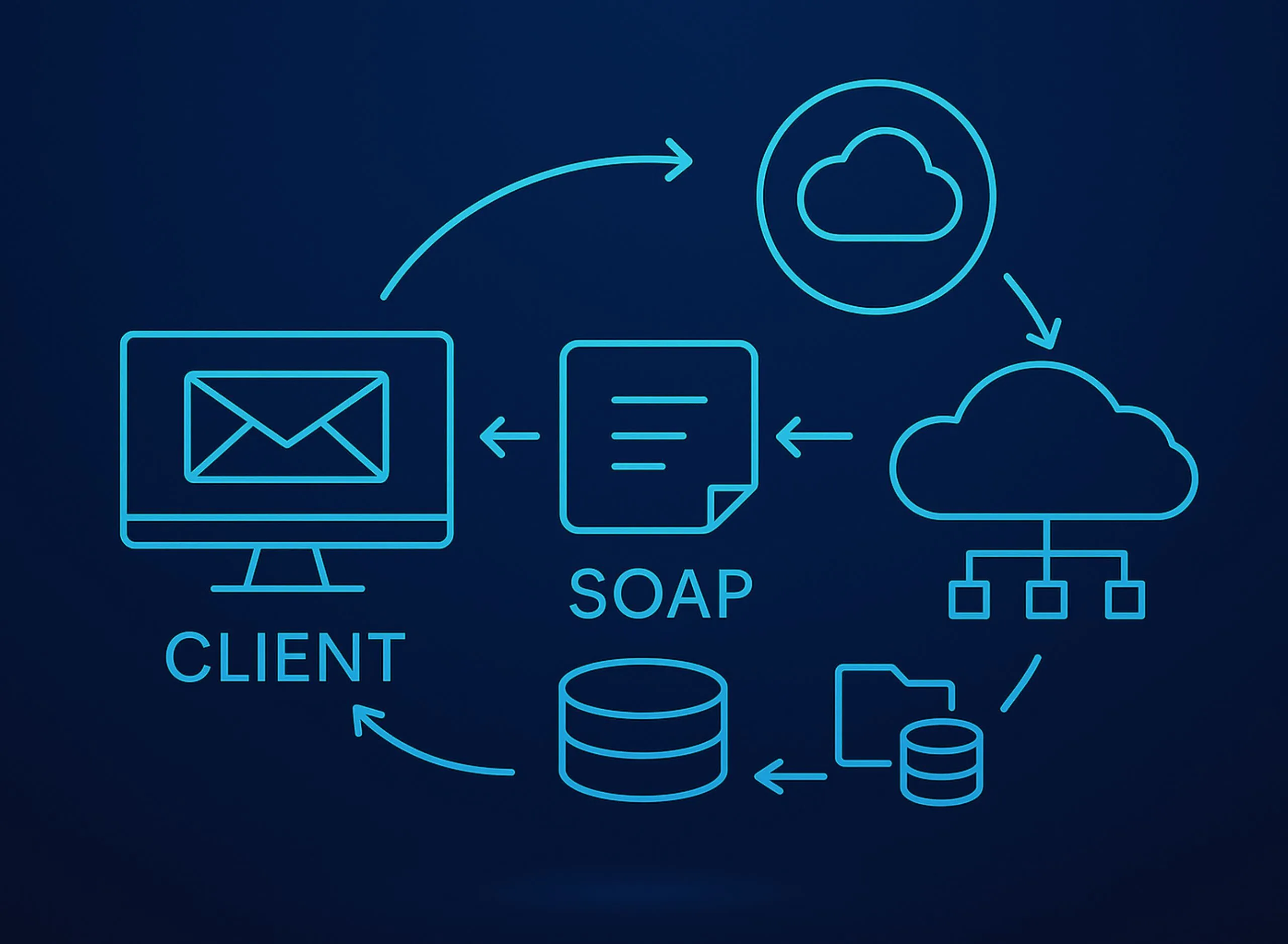
SOAP API
We check the XML message structure, schema (XSD) correctness, headers, and error handling
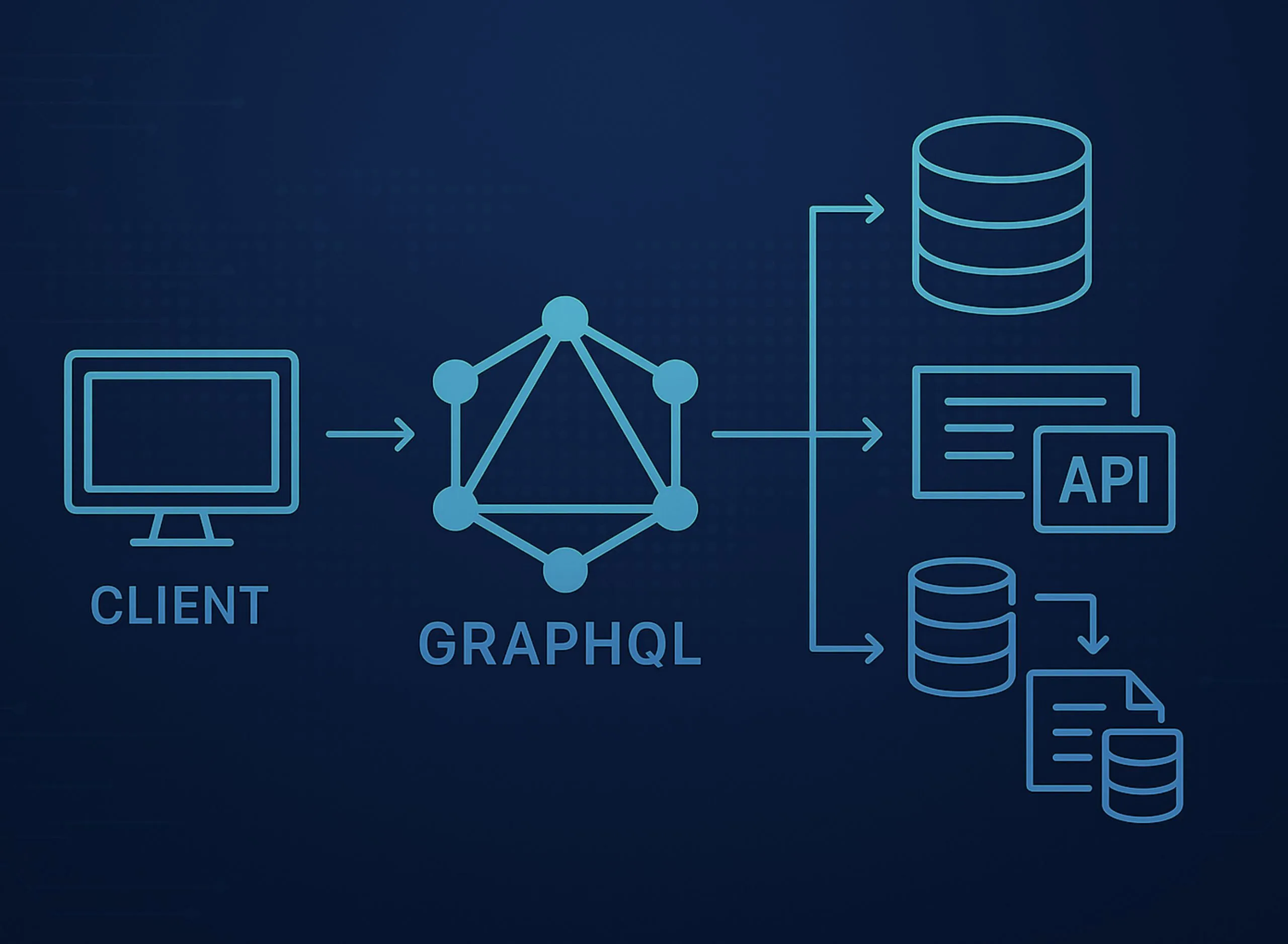
GraphQL API
We test data selection, nested queries, filtering, and the correctness of the response for each request
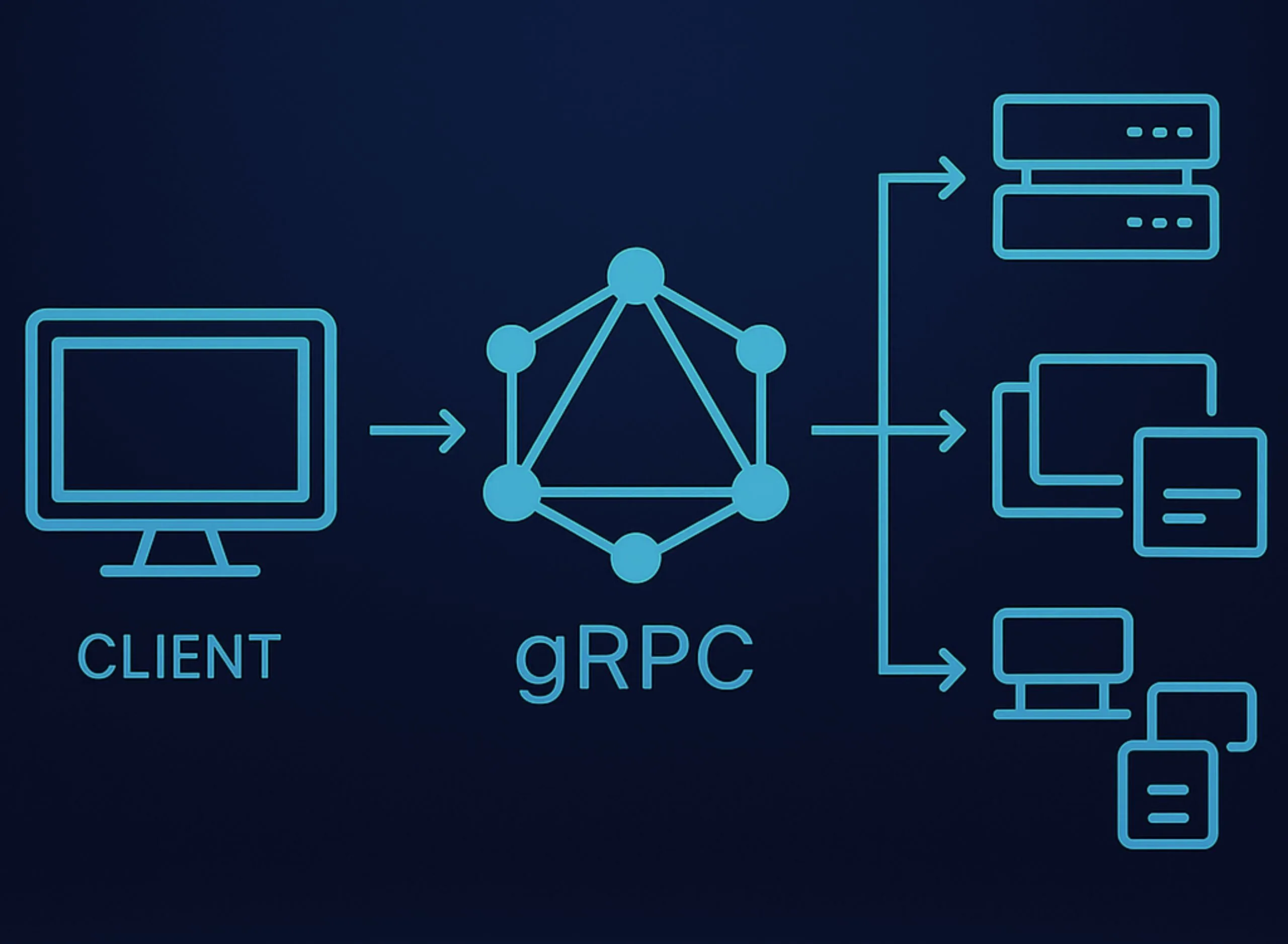
gRPC API
We check binary exchange via Protocol Buffers, contracts, and connection stability
How API testing works?
A transparent and understandable process with regular feedback.
01
Step 1: Study the architecture
Collect information about the API, documentation, and project architecture.
02
Step 2: Create test scenarios
Develop manual and automated tests for key functions and critical points
03
Step 3: Perform testing
Check stability, performance, security, and error handling
04
Step 4: Perform load testing
Model real user and API behavior under high load
05
Step 5: Analyze and generate a report
Prepare a clear report describing errors, their impact, and recommendations
06
Step 6: Discuss the results
Consult, give recommendations, and offer optimization of the QA process

Working with Valtive improved our API testing - now our video service runs stable under heavy load.
Katie, Software Dev Director

Expert API review from Valtive helped us pass security audit clean, with useful improvements suggested.
Joseph, CEO

Valtive quickly checked our e-commerce API with cases, load tests, and security fixes - a great stability boost.
Christine, QA Lead Manager
Get a free API analysis — fill out the form and within 24 hours you will find out how your API works and where problems may be
Why choose Valtive?
Quick start
Launch testing within 1-3 business days. You don't waste time waiting
Deep expertise in API
Work with REST, SOAP, GraphQL, gRPC, microservices, and monolithic architecture. We know where and how things break
Comprehensive approach
Conduct functional, load, contract, and secure API testing in one cycle
Integration with CI/CD
Set up automated tests that run with each commit. We increase the stability and speed of releases
Flexibility and individuality
Testing for your stack, goals, and team. The cooperation model is by subscription, fixed, or hourly
Transparent reporting and support
Provide clear reports, recommendations, implementation support, and team training if necessary
Ready for the same result? Leave a request
FAQ
What is API testing, and why is it needed?
It tests the stability and security of data exchange between services. It helps to identify errors before release and avoid product failures.
Does my project need API testing?
If your product uses third-party services or internal modules, API testing is necessary for quality control.
Do you use automated or manual testing?
We combine both approaches. Automated tests are suitable for routine checks, while manual testing is for complex scenarios and non-standard cases.
Can tests be built into CI/CD?
Yes, we integrate tests into the pipeline to run automatically with each code update.
How do you work with confidential data?
All data is processed in a secure environment. We sign NDAs and follow security best practices.
Do you perform API pentesting?
Yes. We check authorization, tokens, access, XSS, SQL injections, and other vulnerabilities, including OWASP Top 10.
What reports do you provide after testing?
You will receive a clear report with the errors found, their priority, description, and recommendations for fixing them.
How much does API testing cost?
The cost depends on the scope of work. We have a free trial package for 40-60 hours.
Do you customize tests for a specific business?
Yes. We adapt scenarios to your stack, business logic, and project features.
Is there a free consultation?
Yes. We offer a free consultation and up to 60 hours of testing so you can evaluate our work.
How to start working with us?
Leave a request, and we will contact you within 24 hours to discuss the details.